The Nineties is still regarded as the golden era of touring car racing, a period when popularity for the sport hit an all-time high, especially here in the UK.
Touring cars – through their multiple championship series around the world – are chiefly designed to resemble their road-going counterparts. The popularity stems from accessibility; the fact that you get to see professional, on-the-limit racing in cars that look a lot like the one you drove to the circuit. For the mainstream manufacturers too, touring cars offer one of the greatest examples of the ‘win on Sunday, sell on Monday’ ethos. For many that’s the whole point of going racing, and it’s been that way since the first touring car meets in the 1950s.
The 1990s was when the British Touring Car Championship led the way. Very early in the decade they pioneered new ‘2-litre Touring Car Formula’ rules designed to make the racing closer, more competitive, and far less confusing than with all the different classes allowed previously. By 1993 these would be adopted worldwide as the legendary ‘Super Touring Car’ regulations – the standard for most national championships. This not only meant that you could run your car competitively in the BTCC, but over in Japan, Australia and just about anywhere else you fancied.
Due to the closeness of the racing, the Super Touring era was also when the cars got crazier than ever. The popularity with the public gave manufacturer-backed teams the confidence to plough more and more marketing cash into development, just to try and obtain the racing edge. Mere family saloons soon became cutting-edge race monsters.
Far from the initial idea of keeping the sport accessible for independents and manufacturers alike, by the end of the decade development of the cars started to run into the millions. But, while this eventually became unsustainable (prompting a rule change for more cost-effective BTC rules in 2001), it inevitably left a legacy of some of the best touring cars of all time. Here’s our choice of the most memorable…
Volvo 850 Estate

The infamous, ‘Securicor Wagon’ is arguably the most famous Volvo to ever hit the circuit. In fact, when most BTCC aficionados close their eyes and think of the best ‘90s racing cars, the iconic Volvo 850 Estate is the one that usually springs to mind. It’s ironic then that these only ran for a single season, and that was over 30-years ago.
1994 brought with it what many saw as a joke. But it was serious business for Volvo, a rather clever PR stunt, admittedly, but never a joke. Shrouded in secrecy right up to the debut at Thruxton, and prepared by British firm Tom Walkinshaw Racing, the TWR 850 was an attempt to distance their car from images of geography teachers and police cars. It also injected a little practicality into racing, offered plenty of real-estate for those all-important sponsor logos and, most of all, was a bona fide spectacle.
In other words, the 850 was exactly what the Volvo had intended. They even ran a heat or two with a large stuffed dog in the boot, so they certainly saw the importance of connecting with the public. And it worked because the 850 Estate has since become one of the most iconic touring cars of all-time.
They may not have been quite so popular with the other drivers of course. Simply because a big estate car tends to block your vision somewhat, but the 850 wagon was certainly a hit with spectators.
Although the elongated roof offered superior aerodynamics. A change in regulations for 1995 meant that boot spoilers could be fitted providing they didn’t protrude higher than the roof line. This wasn’t viable on the big 850, so they were unceremoniously replaced with more competitive saloon versions, much to the displeasure of the fans. But, while these saloons were far more successful in the years to come, the only estate cars to ever compete in the BTCC will always be the most loved.
Renault Laguna Super Touring
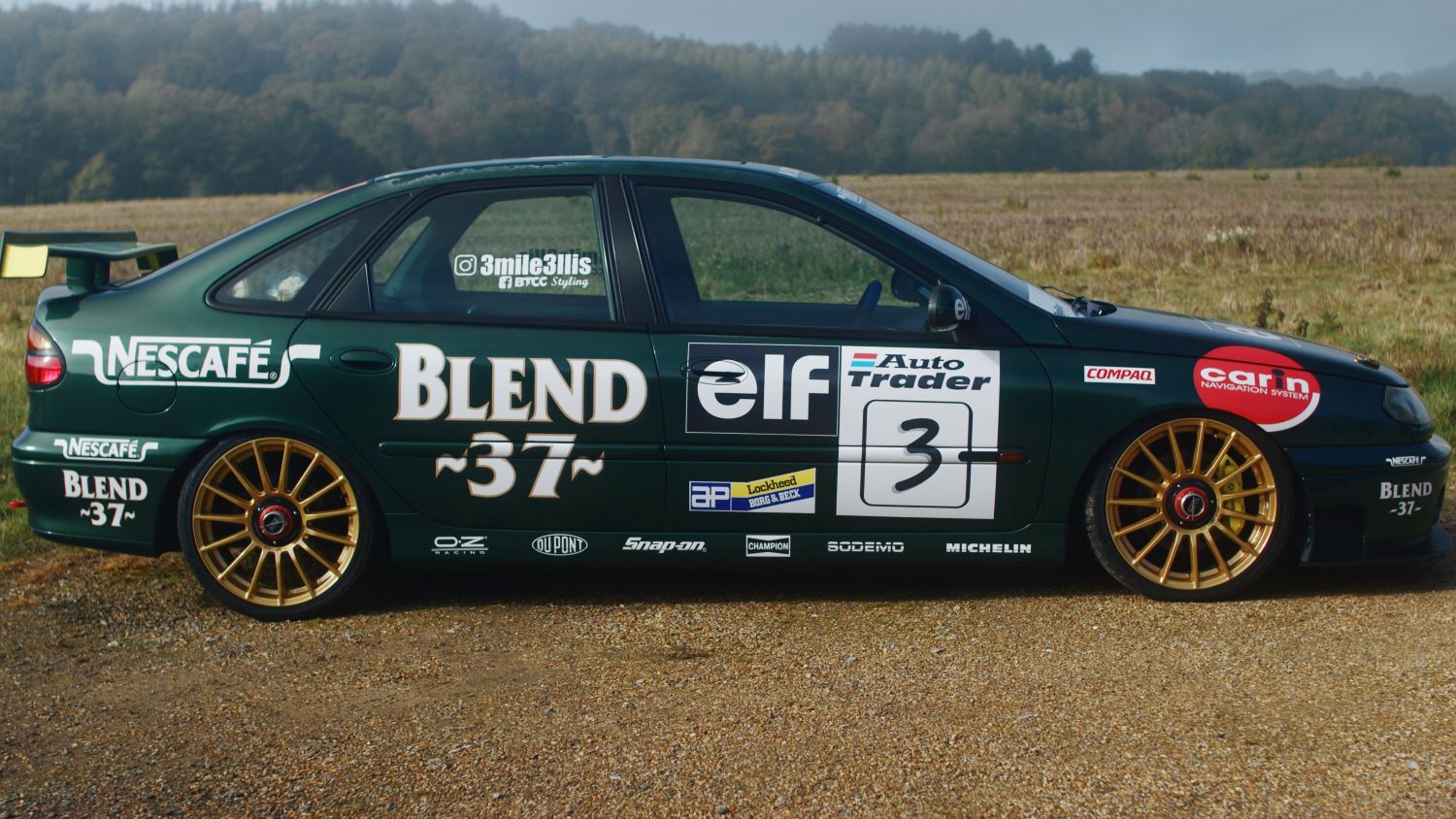
The 1995 season didn’t just see big changes for Volvo, the BTCC saw the Williams-Renault team branching out of Formula 1 to inject some of their pedigree – and a whole load of their success – into touring car racing. Due to the huge popularity of the sport with TV viewers at the time, both Williams and the French manufacturer decided the BTCC was the place to be. The car they had already homologated for the job was the Renault Laguna… and their Super Touring version ended up taking home the championship on their very first attempt.
The Laguna has always been one of the most revered touring cars of the ‘90s. With the might of Williams behind it, it’s also seen of one of the most advanced in terms of racing technology. If it wasn’t for Audi entering their 4WD Quattro (however unfairly), many believe that the front-wheel-drive Renault would have dominated in 1996, too. It’s also one of the cars that started to see manufacturer budgets go stratospheric.
After the playing field was finally levelled in 1997 (with each Quattro being given 30kg of ballast) the Laguna had its most successful season winning both the Team Championship and the Drivers Championship with Alain Menu. Notably their second driver that season was a young Jason Plato making his BTCC debut. He came in with a respectable 3rd place.
Even though Williams only competed for a mere 5-years, their Lagunas racked up 33 wins, 2 Team Championships and that all-important Drivers Championship. Not bad for what started out as a relatively sedate and uninteresting family four-door that was never intended to be a touring car.
E30 BMW M3
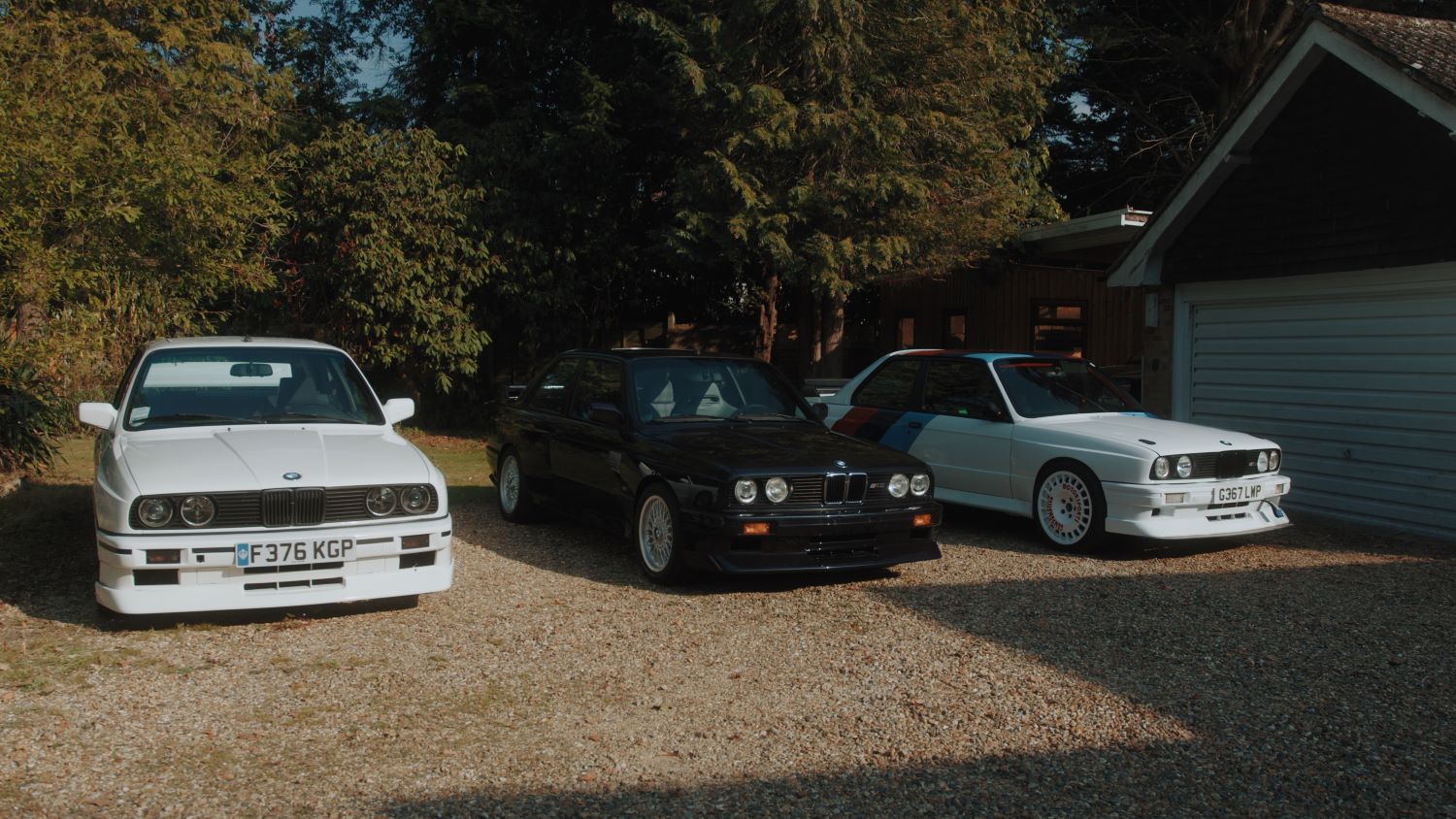
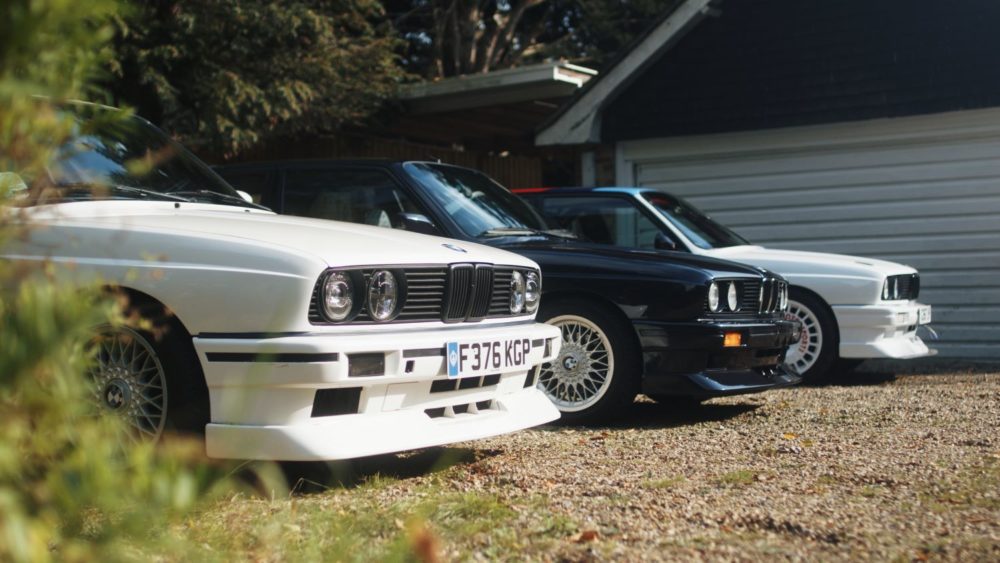
There’s no doubt that the original BMW M3 is a motoring icon. It’s also seen as a little exotic here in the UK at because they were never available in right-hand drive. Strictly speaking we didn’t get an M3 until the E36 came along in 1992. But, that’s okay with us because, without the E30 M3 being built as a homologation special for the Deutsche Tourenwagen Masisterschaft (DTM), the iconic M3 badge wouldn’t exist today. And for performance car fans that would be a travesty.
When it comes to motorsport, the 2-door E30 M3 Coupe is the most successful BMW of all-time. It may have been a product of the 1980s which – on the face of it at least – makes it a dubious choice for our list. But this car took BMW to two championships in the BTCC, first in 1987 and then in 1991 for the inaugural year of what would become the Super Touring era.
Even the introduction of the E36 M3 in 1992 didn’t kill off the E30 race car. And not just because the 3.2-litre engine was too big for the BTCC. It was a rule change in 1993 to only allow cars with a minimum of four-doors in that spelled the end for the E30 M3. The BMW team actually had to take to the track in the E36 318is!
But, as for the E30 M3 Touring Cars (including the limited-edition EVO (1987), EVO II (1988) and Sport Evolution (1990) homologation models that kept it competitive along the way), they also won the Japanese Touring Cars every year from 1987-1993, two DTM titles, the 24 Hours Nürburgring five times and many other championships in Australia, Italy and the USA. Oh yes, and it was a successful World Rally Car, too.
So, it’s easy to see why the E30 M3 is not just one of the most iconic touring cars of all-time but, for many, the most iconic BMW, too.