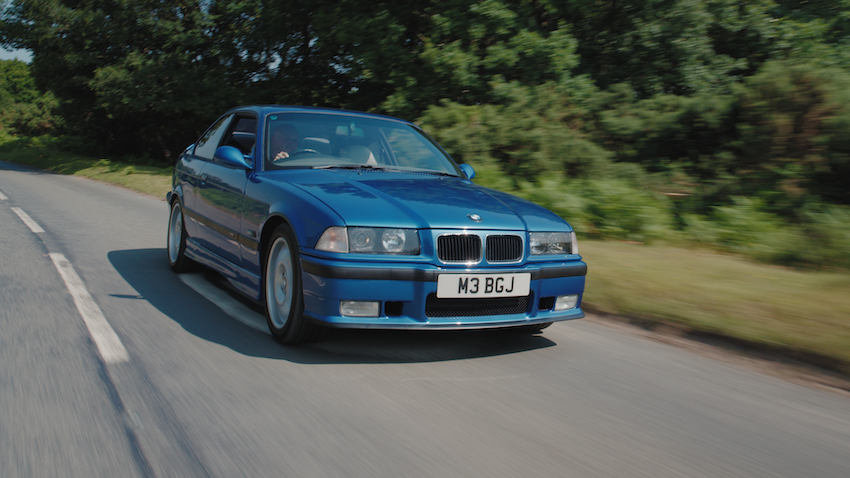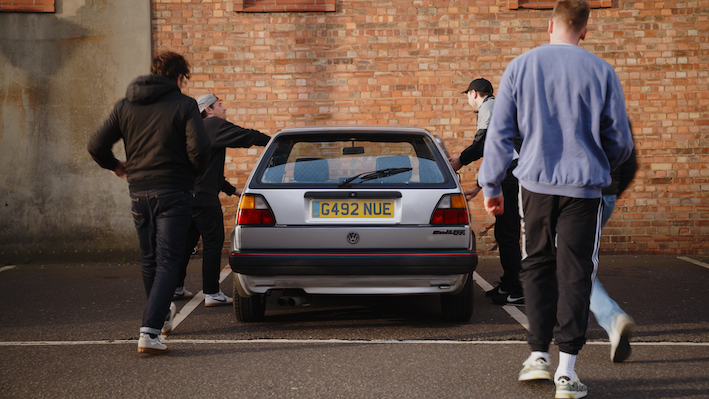
In our high-tech, cordless, wireless world, where the notion of rewinding the latest VHS release and having to physically return it to Blockbuster – or for that matter, even plugging your vacuum cleaner into the wall – is considered more than a little passe. Why would anyone choose to drive a car from more than 30 years ago?
You see, the mainstream motoring world has always been driven by technology so, almost by default, that makes the latest offerings significantly better than those of the past. Faster, safer, more reliable and efficient, packed with all the gadgets and gizmos we feel we need for modern living. The cars of today excel in every aspect, except are they really better in every sense of the word? We guess it comes down to exactly how you define better.
There’s no doubt that we find ourselves surrounded by an auto industry packed with technological marvels. We live in a time where robots autonomously build cars that practically drive themselves. And yes, the whole motoring experience is significantly different to that at the end of the last century. So, what can possibly be appealing about the automotive equivalent of popping a Spice Girls album into your CD player and relaxing with a round of Snake on your Nokia 3210, all while watching The Word on Channel 4 on your 14-inch Goodmans CRT telly?
On the face of it, driving a car from the 1990s(not to mention having the dedication to patch it up time and time again) makes about as much sense as trying to play the latest Call of Duty on a Sega Megadrive, or fire up Facebook on an Amiga 3000. There’s also the added dread that comes at MOT time, eco taxes that make little sense, and most likely a defunct cassette player nestled in the dashboard. So, why do so many car enthusiasts side with nostalgia when every other aspect of life has moved on exponentially? The truth is that if you don’t get it, you just don’t get it, and you probably never will.
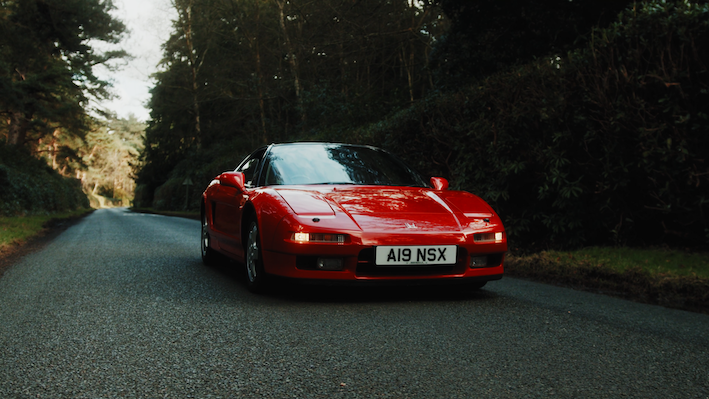
The most important word here is nostalgia. Retro cars and modern classics have the ability to make you feel a way that modern vehicles can’t. They can connect you to your past, to a deeply personal moment in time. In short, they make you remember.
Now, whether that’s the Alfa Romeo 155 that your dad used to drop you off at school in, your mates modified Mk2 Golf and all those trips to the local cruise, or that Astra GTE that your uncle spent way too much time tinkering with under the bonnet, what’s important is that older cars have the power to transport you to another time. It’s likely the only reason we keep most of them on the road.
We suspect that nobody can say the same about the cars of today. Essentially, modern motors are seen as little more than disposable appliances, like a rolling Ninja Air Fryer or (albeit speedy) mobile Zanussi Washer-Dryer. Sure, they’re practical and almost effortless to use and enjoy daily. And yes, they can be all sexy and appealing in their own way, enough to impress the neighbours at least. But a modern car doesn’t have the ability to evoke emotion in the same way as something linked intrinsically to your past.
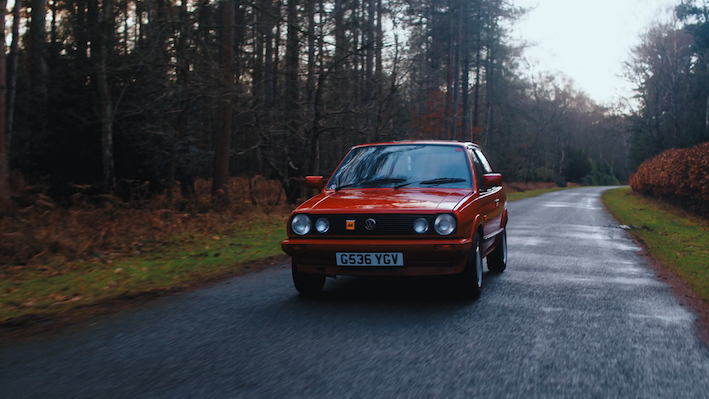
And that’s because true nostalgia can only come through emotion itself. But perhaps what’s even more important is the logical conclusion that retro cars must have a soul, simply because they have the unique ability to bring joy to yours. Can any modern car boast a soul? Despite what the manufacturers would have you believe, not in the same way.
Technology moves at such a rapid pace that key advances are hardly noticeable, we just seamlessly incorporate them into our day-to-day lives. But to the true motoring connoisseur these cars are more than outdated hunks of rubber and steel, they provide a benchmark, a base for the measurement of how things have (or indeed haven’t) moved on for the better. And even though we’re generalising by talking about every car we remember from way back when, the feelings are only compounded by the most legendary examples – the true thoroughbred performance icons. After all, it’s not simply an A to B driver if you grew up with it on your bedroom wall, is it? Or if it’s the car that helped you whittle away many, many hours playing Gran Turismo.
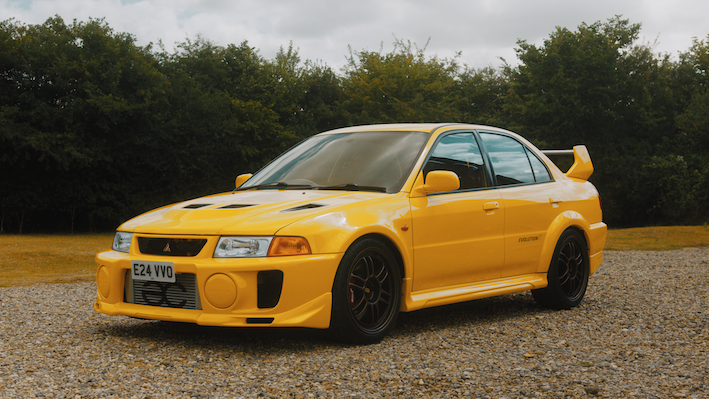
Arguably more high-performance icons hit the streets during the ‘90s than any other decade. And with the most legendary cars like the Audi RS2, Lancia Delta HF Turbo, Subaru Impreza 22B and Mitsubishi Evo V comes the kind of nostalgia that makes them much more than ‘just a car’. We can personally relate to these models, which means they evoke emotion, and to evoke emotion makes them art. It really is that simple. Of course, there may be a little of the rose-tinted-glasses here, but will we be saying the same about the Tesla Model X in another 30-40 years? It’s possible, but extremely doubtful.
So yes, ‘90s cars may be 56k dial-up in a world of super-mega-fibre broadband, a long-forgotten impulse-bought Global Hypercolor T-shirt in a wardrobe of fast fashion SHEIN garb shipped across the world direct to your doorstep. But, while they’re a Saturday afternoon mooch around the shops as opposed to a late-night scroll on Amazon, in terms of sheer coolness, they’ve never been beaten.
These cars make you feel because they hark back to when driving wasn’t seen as a necessary evil, it was the essence of freedom. It was our adolescence and something we longed for in an era where a face-to-face chat about your ride in the petrol station was far more valuable to the soul than any amount of anonymous social media likes.
Classic cars have the unique ability to create a connection that’s intrinsically tied with your own life experience, taking you back to a distinct feeling or a cherished memory. And for that reason, they can’t help but make you smile. So, why follow the crowd and buy the latest Yeezys when you can track down the vintage Air Jordans? For those in the know, there will never be anything cooler.